

The most meaningful adaptive reuse projects do not simply preserve history — they allow it to evolve.
The most meaningful adaptive reuse projects do not simply preserve history — they allow it to evolve.
Architecture becomes most meaningful when it allows the past and future to coexist.
Across many contexts, heritage buildings present a familiar question: how can places shaped by history be respectfully adapted to meet contemporary needs? The answer rarely lies in preservation alone, nor in complete reinvention, but in finding the right architectural dialogue between continuity and transformation.
A recent education project within the Pangea Design Group network explores this balance with particular sensitivity.
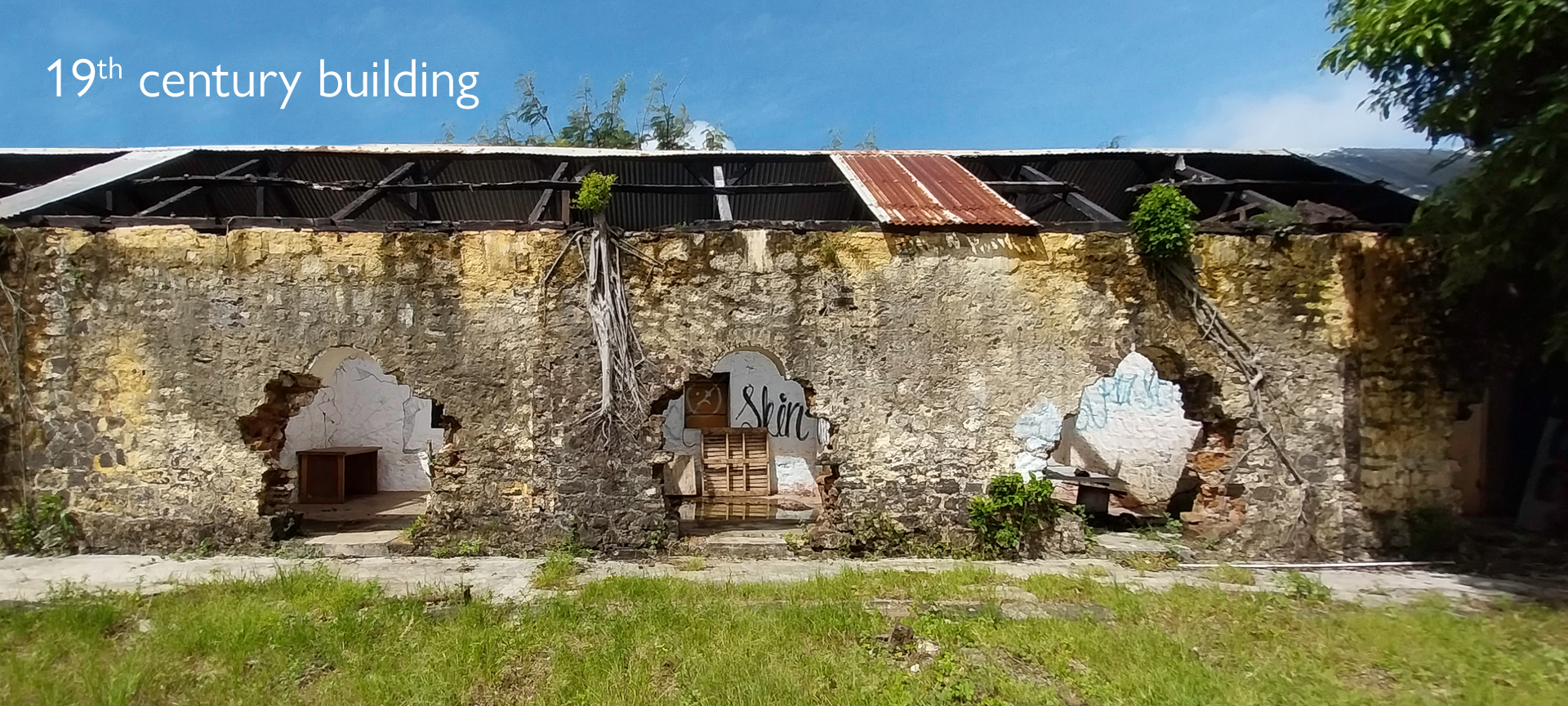
Set within the historic Forbach estate in Mauritius, the HEI Kindergarten Mauritius building reimagines the remains of a former labourers’ camp as a contemporary early-learning environment. Once defined by the rhythms of plantation life, the site carried a layered history embedded in its stone walls, linear longère typology and fragmented ancillary structures. Rather than erasing this inherited fabric, the design approach sought to understand and reinterpret it.
The process began with careful documentation and analysis of the existing site — recording proportions, materials, structural conditions and spatial relationships with precision.
This level of architectural reading became essential in determining what should be preserved, what could be adapted, and where contemporary interventions could sit with integrity.
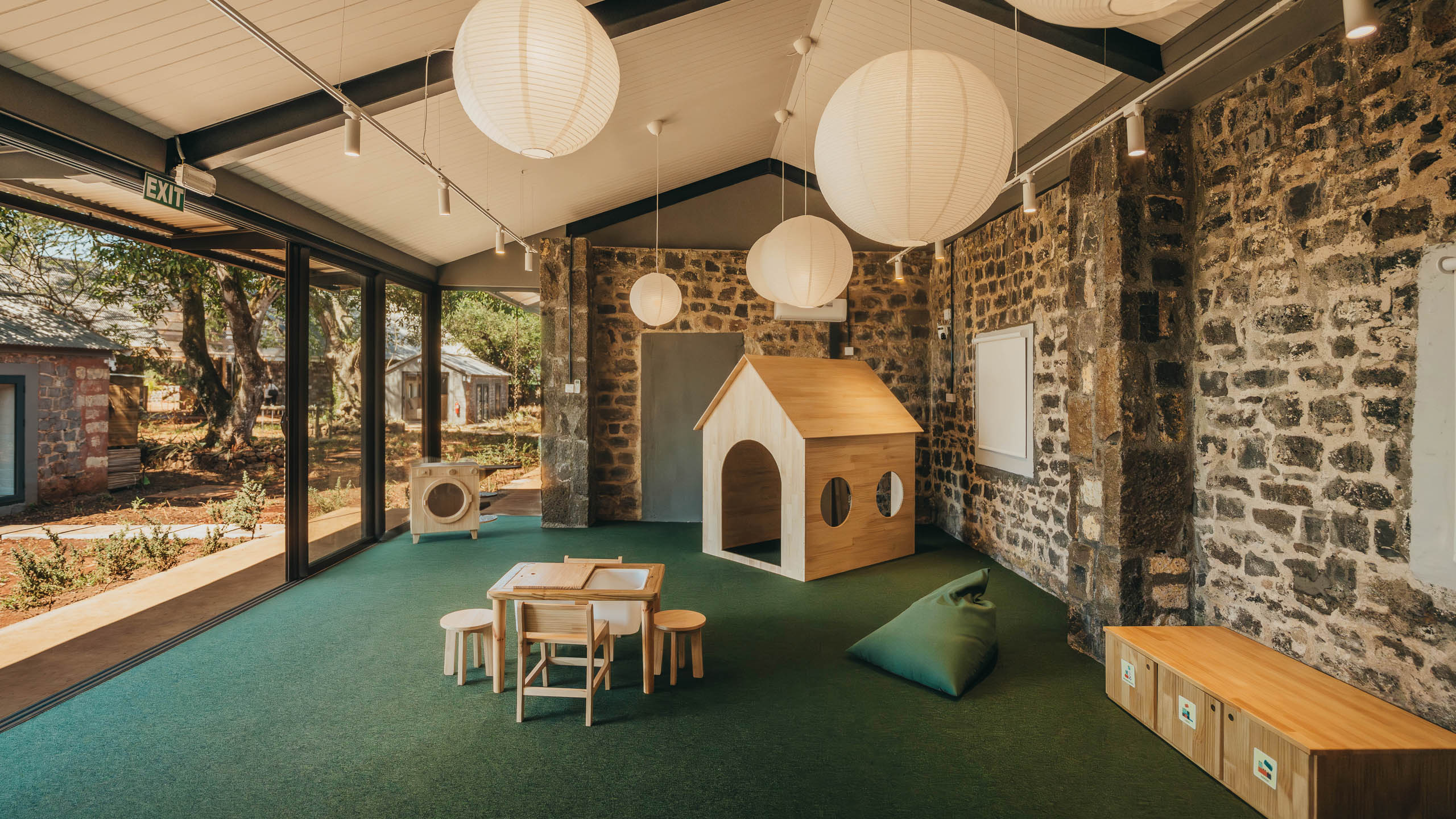
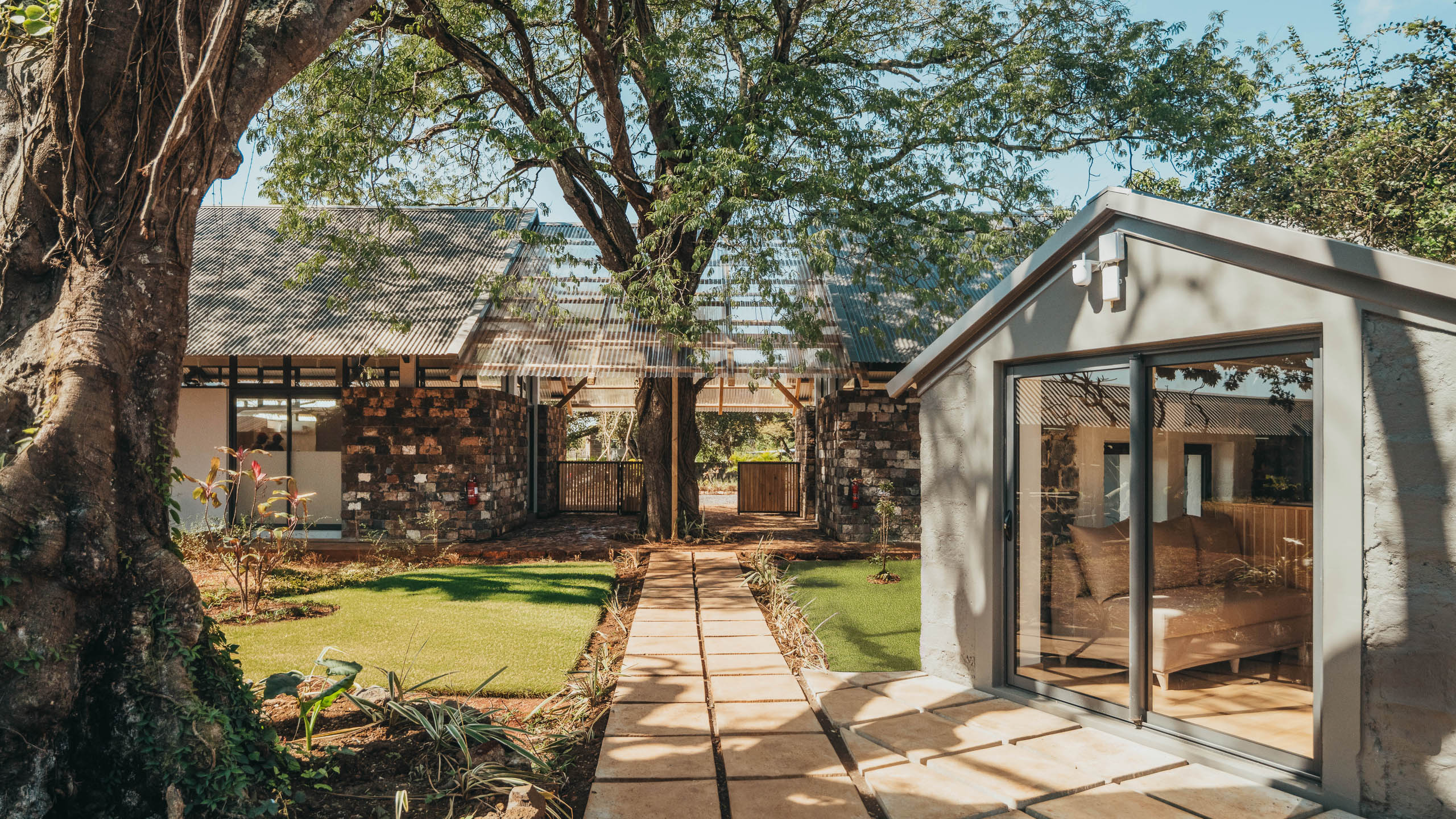
The resulting strategy is deliberately measured. Historic stone structures were stabilised and restored, while lightweight additions were introduced with restraint, allowing old and new to remain legible in conversation with one another. The architecture does not mimic the past, nor does it compete with it. Instead, it extends its logic.
This is where adaptive reuse becomes more than conservation. It becomes placemaking.
For a kindergarten environment, the challenge extends beyond heritage sensitivity. Spaces must also respond to learning, movement, safety, comfort and curiosity. Daylight, natural ventilation, shaded circulation and direct relationships to landscape became central design considerations, shaping an environment that feels both grounded and open.
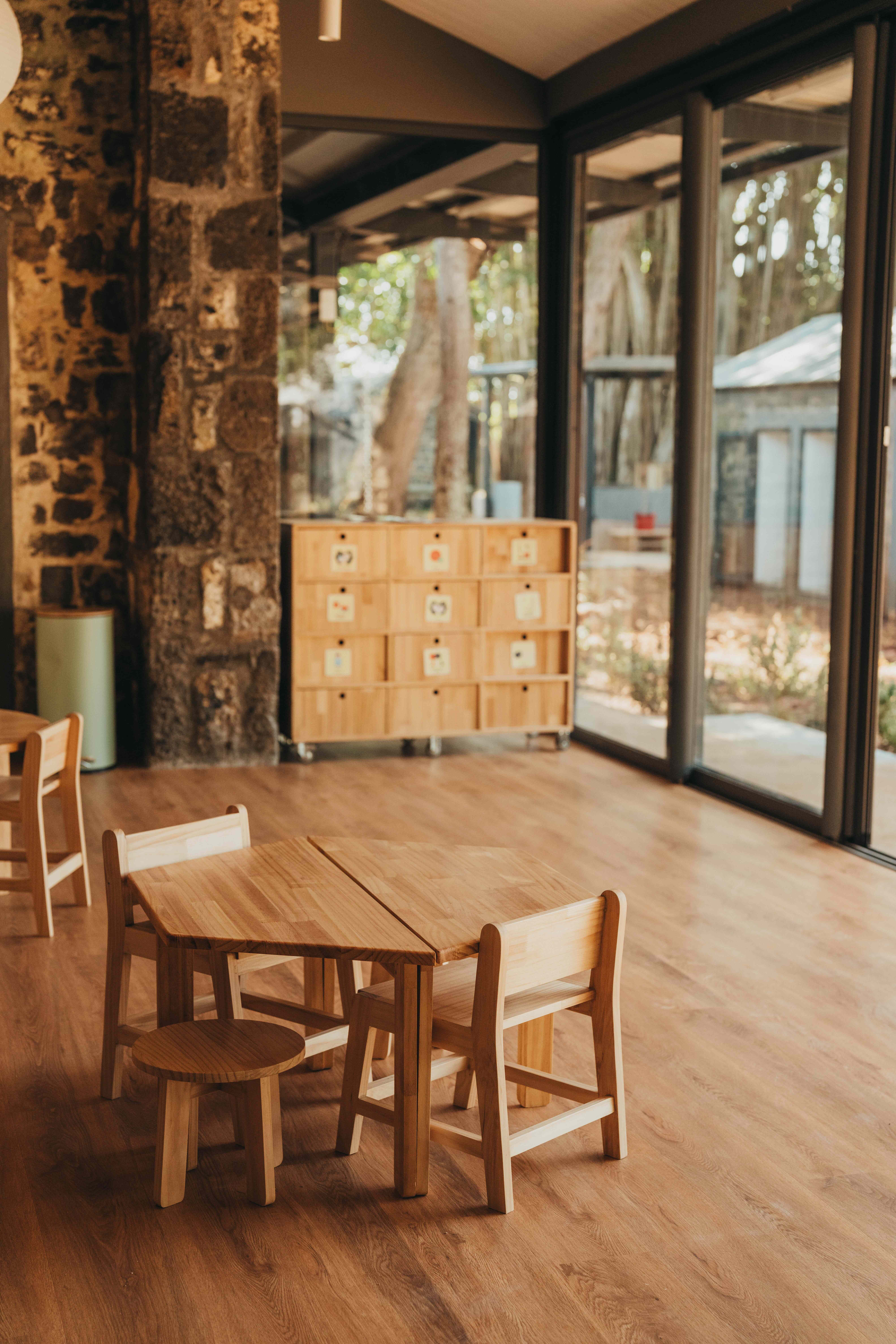
The transformation is as symbolic as it is architectural. A site once associated with labour and hardship has been reimagined as a place of learning, growth and possibility.
Projects such as this reflect a broader design conviction across the Pangea Design Group network: that heritage is not a constraint to overcome, but a resource to build from. When approached thoughtfully, adaptive reuse can create architecture that is culturally rooted, environmentally responsible and profoundly human.
Because the most enduring places do not simply preserve history. They allow it to evolve.


.png)
Technology is transforming the way architecture is imagined, communicated and delivered. Yet beyond efficiency, its true value lies in creating greater clarity, stronger collaboration and more meaningful experiences for clients, consultants and end users alike.
.jpg)
Architecture becomes most meaningful when it allows the past and future to coexist. Across many contexts, heritage buildings present a familiar question: how can places shaped by history be respectfully adapted to meet contemporary needs?

The evolution of workplace design has been studied and talked about for decades. We think about the purpose of the office more strategically, and how our changing worlds inevitably shapes..


