

What if the most transformative part of architecture happens long before construction begins?
What if the most transformative part of architecture happens long before construction begins?
Technology is transforming the way architecture is imagined, communicated and delivered. Yet beyond efficiency, its true value lies in creating greater clarity, stronger collaboration and more meaningful experiences for clients, consultants and end users alike.
Across the Pangea Design Group network, digital tools are not viewed as standalone innovations, but as catalysts for better design thinking.
From advanced site analysis and 3D photogrammetry to immersive virtual walkthroughs and real-time visualisation, technology enables design teams to make more informed decisions from the earliest stages of a project. Complex sites become easier to decode. Spatial experiences become easier to communicate. Clients can engage with ideas long before construction begins.
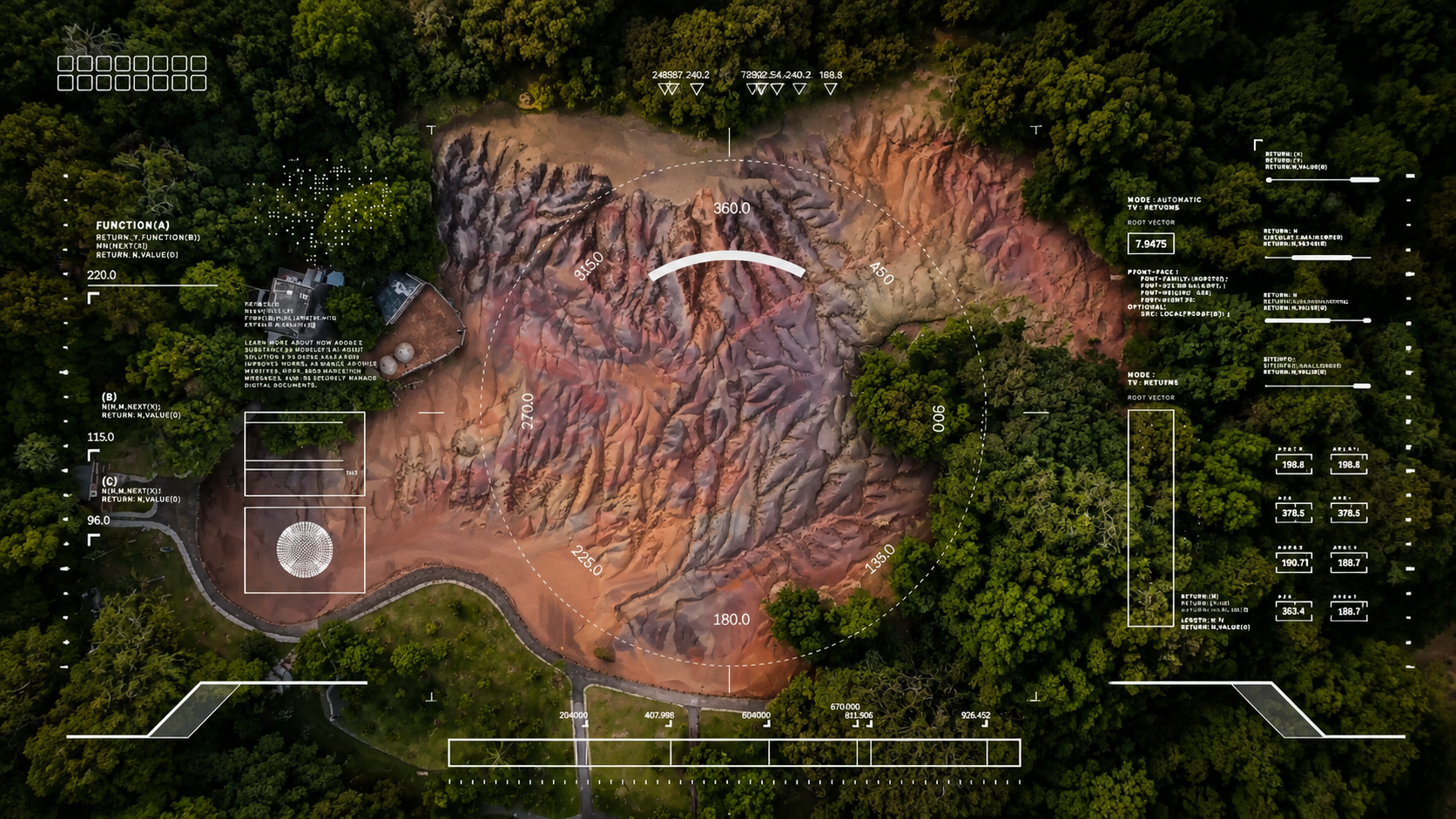
This enhanced visibility transforms collaboration. Decisions are taken with greater confidence, risks can be anticipated earlier, and project teams remain more closely aligned throughout the design journey.
For hospitality, mixed-use, residential and urban developments, this becomes particularly valuable. Experience is not shaped solely by the final built environment, but by the process through which it is conceived and refined.
A steep topography, a heritage constraint, a sensitive ecological context or a complex operational brief all demand more than conventional responses. Digital tools help bridge imagination and precision, allowing creativity to remain firmly grounded in real-world understanding.
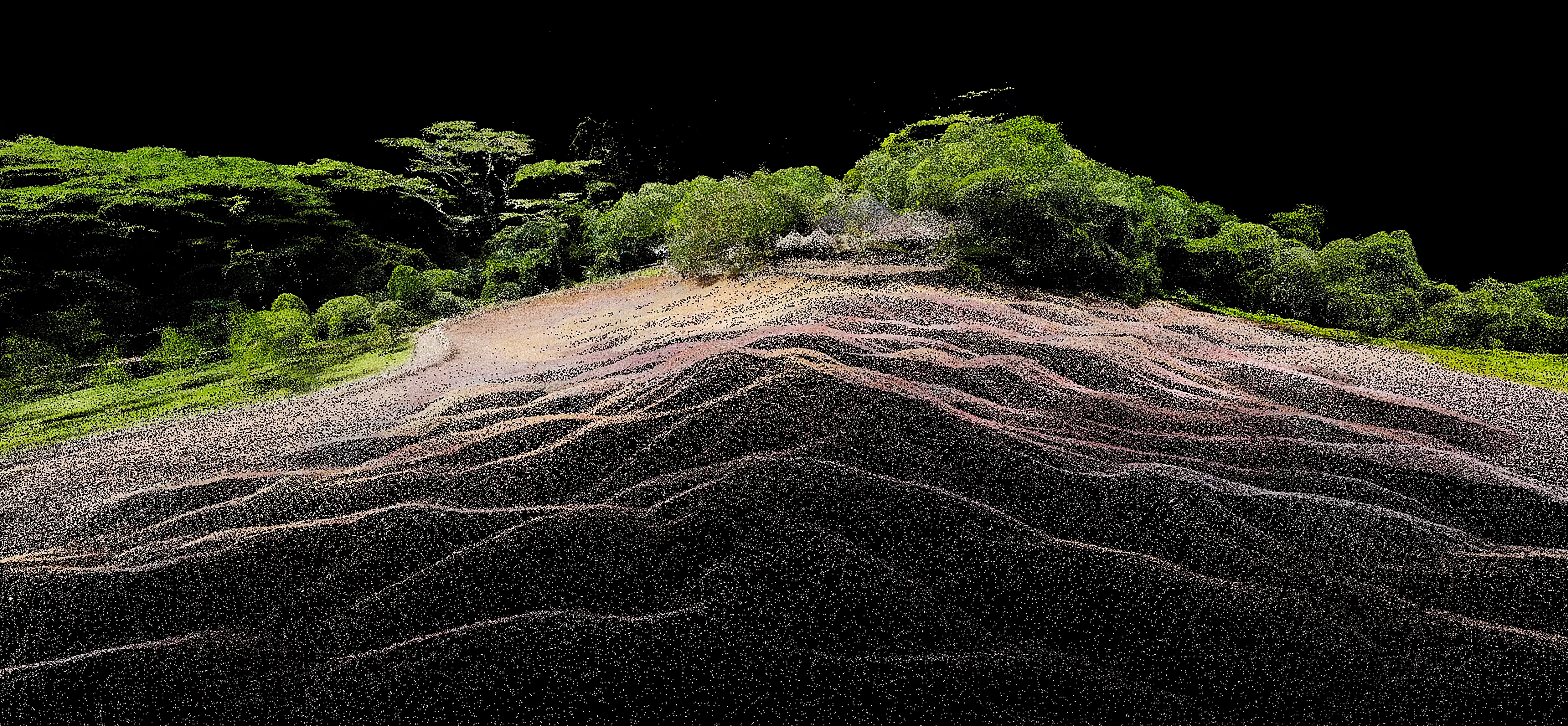
At Pangea Design Group, technology supports a collective approach to design excellence — connecting expertise across regions, enabling smoother collaboration between disciplines and helping clients engage more meaningfully with the future spaces being created.
Because better design is not simply about what gets built. It is about how clearly the vision is shared from the very beginning.


.png)
Technology is transforming the way architecture is imagined, communicated and delivered. Yet beyond efficiency, its true value lies in creating greater clarity, stronger collaboration and more meaningful experiences for clients, consultants and end users alike.
.jpg)
Architecture becomes most meaningful when it allows the past and future to coexist. Across many contexts, heritage buildings present a familiar question: how can places shaped by history be respectfully adapted to meet contemporary needs?

The evolution of workplace design has been studied and talked about for decades. We think about the purpose of the office more strategically, and how our changing worlds inevitably shapes..


